看影片(在新分頁開啟原站)連到 YouTube・Jia-Bin Huang
摘要
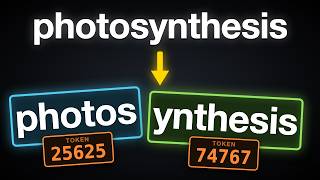
語言模型並非像人類般閱讀單字,而是透過分詞處理文字。影片從 BPE 子詞分詞演進至無分詞模型,介紹 ByT5、CANINE、MegaByte、BLT 及 H-Net 等技術,探討模型如何直接從原始資料學習適應性的處理單元,以解決詞彙爆炸與生詞問題。
This video explains how language models process text by evolving from word tokens to byte-level models like ByT5 and H-Net, which learn adaptive units directly from data to improve efficiency and handling of unseen words.
摘要、重點與章節標題由語言模型整理,細節(誰說的、數字、先後)可能有誤;要引用請以原始內容為準。
重點
- 從單字分詞演進至無分詞的原始位元組處理。
- 介紹 BLT 與 H-Net 等技術如何動態學習最佳分塊邊界。
- 探討模型自主決定閱讀單元的未來趨勢與優勢。
章節
依話題轉折切分,標題由 AI 產生
- 00:00Words, token IDs, and embeddings
- 03:25Byte-Pair Encoding (BPE)
- 06:24Tokenizer-free models
- 07:46ByT5: reading raw bytes
- 09:19CANINE: character-level compression
- 10:26MegaByte: local and global byte modeling
- 11:00BLT: adaptive byte patches
- 15:03H-Net: learned chunk boundaries
- 20:36The future of tokenization
提到的工具與公司
- ByT5
- CANINE
- MegaByte
- BLT
- Mamba
適合誰看
適合對自然語言處理中的分詞機制、模型架構演進及 AI 基礎研究感興趣的開發者與技術人員。
摘要依據
- 講者
- Jia-Bin Huang
- 依據
- 人工字幕
為什麼排在這裡
- 人氣
- 0.49
- 新鮮
- 0.82
在主題頁與搜尋結果裡,名次由相關、人氣、新鮮三個分數決定;這一頁沒有搜尋的關鍵字,所以沒有相關分數。排序怎麼算
相關內容
- Tokenization and Byte Pair Encoding影片 ・ Luis Serrano Academy ・ 8 分鐘 ・
- Large Language Models explained briefly影片 ・ 3Blue1Brown ・ 8 分鐘 ・
- Token 到底是什么?—— 揭秘大模型背后的“文字压缩术”影片 ・ 马克的技术工作坊 ・ 11 分鐘 ・
- Stanford CME295 Transformers & LLMs | Autumn 2026 | Lecture 1 - Transformers影片 ・ Stanford Online ・ 1 小時 44 分 ・
- Bytepiece 0.8.0:更高效的Unigram Tokenizer文章 ・ 科学空间(苏剑林) ・
- Build an LLM from Scratch 2: Working with text data影片 ・ Sebastian Raschka ・ 1 小時 28 分 ・
這個來源最近的內容
摘要由 AI 根據原文產生,可能有誤;完整內容請看原站。看影片(在新分頁開啟原站)