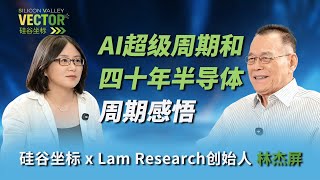
看影片(在新分頁開啟原站)連到 YouTube・Silicon Valley Vector 硅谷坐标
摘要
林傑屏博士談 AI 超級週期與半導體四十年週期,分析資本開支泡沫、先進封裝與資料中心電力問題,並分享創業經驗。
Dr. David Lam discusses the AI supercycle, semiconductor cycles, and insights from his 52-year career in the industry.
這筆內容還沒有取得字幕或內文,這段摘要只根據標題與說明欄產生,可能不夠準確;實際內容請以原站為準。
適合誰看
半導體產業從業人員、投資人與科技創業者。
摘要依據
- 依據
- 標題與說明欄(還沒有取得字幕或內文)
為什麼排在這裡
- 人氣
- 0.59
- 新鮮
- 0.76
在主題頁與搜尋結果裡,名次由相關、人氣、新鮮三個分數決定;這一頁沒有搜尋的關鍵字,所以沒有相關分數。排序怎麼算
相關內容
- Brad Gerstner: No AI Bubble, Semis Eat the Nasdaq & AI's Take Off ProblemPodcast ・ All-In ・ 18 分鐘
- Stanford MS&E435 Economics of the AI Supercycle | Spring 2026 | Building AI Factories影片 ・ Stanford Online ・ 50 分鐘
- 存储芯片“超级周期”还能持续多久?影片 ・ 硅谷101 ・ 2 分鐘
- 真正改变世界的技术,为什么一开始都不被看好?| S10E16Podcast ・ What's Next|科技早知道 ・ 58 分鐘
- Stanford MS&E435 Economics of the AI Supercycle | Spring 2026 | The GPU Economy影片 ・ Stanford Online ・ 56 分鐘
- Can AI Keep Growing Exponentially? Let’s Ask SemiAnalysis — With Dylan Patel and Jordan NanosPodcast ・ Big Technology Podcast ・ 1 小時 2 分
摘要由 AI 根據標題與說明欄產生(還沒有取得原文),可能有誤;完整內容請看原站。看影片(在新分頁開啟原站)