讀原文(在新分頁開啟原站)連到 Epoch AI(Gradient Updates)
摘要
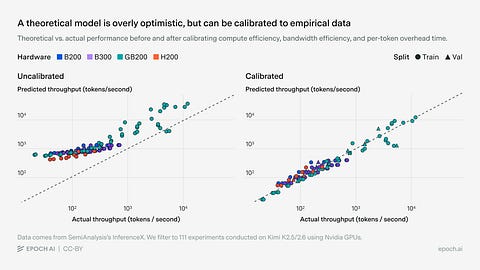
Gradient Updates 分析全球推理算力供給與需求的增長趨勢,指出 Token 需求可能快於供給。文章透過建模 Nvidia GB200/GB300 晶片效能,評估在 Kimi K2.6 模型下的產出能力,並比較軟體工程師等潛在使用者的消耗量。結論認為若長上下文與代理型 AI 需求持續爆發,近期將面臨算力瓶頸,導致大模型價格上漲,但高效能小模型將填補日常需求。
Gradient Updates analyzes the gap between global inference capacity and token demand, predicting a near-term compute crunch for large models due to rapid growth in agentic AI usage.
摘要、重點與章節標題由語言模型整理,細節(誰說的、數字、先後)可能有誤;要引用請以原始內容為準。
重點
- 全球推理算力供給雖以每年 3.4 倍成長,但 Token 需求預估更快速。
- 在長上下文與代理型 AI 場景下,現有晶片可能無法滿足潛在需求。
- 算力瓶頸將推升大模型價格,但高效小模型將服務一般使用者。
提到的工具與公司
- Nvidia GB200
- Kimi K2.6
- NVl72
- OpenRouter
適合誰看
適合 AI 產業從業人員、技術決策者或關注算力基礎設施投資回報的讀者。
摘要依據
- 依據
- 文章全文
為什麼排在這裡
- 人氣
- 0.50
- 新鮮
- 0.49
在主題頁與搜尋結果裡,名次由相關、人氣、新鮮三個分數決定;這一頁沒有搜尋的關鍵字,所以沒有相關分數。排序怎麼算
相關內容
- Why compute might get 10x+ more expensive in coming years文章 ・ Dwarkesh Patel ・
- From Compute Overhang to Compute Crunch文章 ・ Second Thoughts(Steve Newman) ・
- Why AI Demand Is Outrunning Compute Supply影片 ・ a16z ・ 1 小時 14 分 ・
- The Epoch Brief - June 1, 2026文章 ・ Epoch AI(Gradient Updates) ・
- Modal CEO on Agent Maxxing, the Future of Inference & Unpacking the Chaos of the GPU Market影片 ・ Unsupervised Learning: With Jacob Effron ・ 59 分鐘 ・
- Stanford MS&E435 Economics of the AI Supercycle | Spring 2026 | The GPU Economy影片 ・ Stanford Online ・ 56 分鐘 ・
這個來源最近的內容
摘要由 AI 根據原文產生,可能有誤;完整內容請看原站。讀原文(在新分頁開啟原站)