讀原文(在新分頁開啟原站)連到 Latent Space
摘要
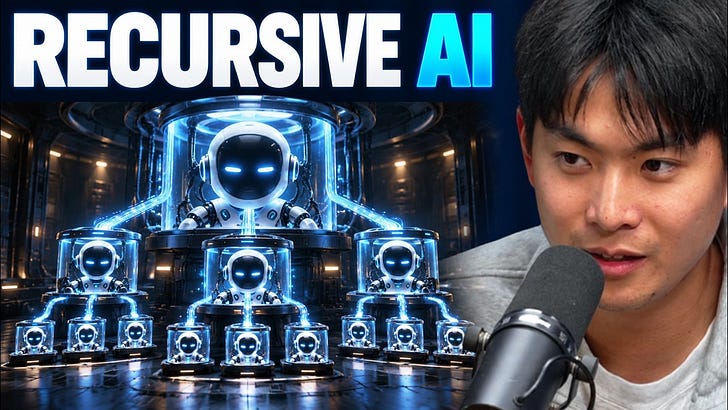
Alex Zhang 探討了 RLM(Recursive Language Model)如何透過「Harness」架構,將大語言模型轉化為可執行程式碼的自動化研究系統。他強調,未來的 AI 不僅是單一模型,而是由多個子代理(Subagents)組成的隱形 swarm,並指出學術界應積極參與如 KernelBench 等競賽,以驗證人類專家的價值。
Alex Zhang explores how RLMs transform language models into executable code harnesses, enabling automated research. He emphasizes that future AI will be invisible agent swarms and urges academia to engage in competitions to validate human expertise.
摘要、重點與章節標題由語言模型整理,細節(誰說的、數字、先後)可能有誤;要引用請以原始內容為準。
重點
- RLM 透過 Harness 將模型轉化為可執行程式碼,實現自動化研究。
- 未來 AI 將是隱形代理群組,而非單一模型。
- 學術界應參與競賽,驗證人類專家的價值。
提到的工具與公司
- RLM
- KernelBench
- ARC-AGI-3
- GEV
- SWE-bench
- ReAct
- Quiet-STaR
適合誰看
對大語言模型、程式設計、AI 架構及未來研究趨勢感興趣的開發者與研究者。
摘要依據
- 講者
- Alex Zhang
- 依據
- 文章全文
為什麼排在這裡
- 人氣
- 0.50
- 新鮮
- 1.00
在主題頁與搜尋結果裡,名次由相關、人氣、新鮮三個分數決定;這一頁沒有搜尋的關鍵字,所以沒有相關分數。排序怎麼算
相關內容
- The Codebase Singularity: “My agents run my codebase better than I can”影片 ・ IndyDevDan ・ 17 分鐘(在新分頁開啟原站)
- LLM Powered Autonomous Agents文章 ・ Lilian Weng(部落格)
- Anthropic Just Dropped a Masterclass on Building Agent Harnesses (for Large Codebases)影片 ・ Cole Medin ・ 28 分鐘(在新分頁開啟原站)
- New tools, models, repos, and papers out of Microsoft Research are here. #ai #llm #github #agenticai影片 ・ Microsoft Research ・ 2 分鐘(在新分頁開啟原站)
- Extreme Harness Engineering for Token Billionaires: 1M LOC, 1B toks/day, 0% human code, 0% human review — Ryan Lopopolo, OpenAI Frontier & SymphonyPodcast ・ Latent Space ・ 1 小時 13 分(在新分頁開啟原站)
- Building the Automated AGI Lab: Core Automation's Jerry Tworek and Rohan Anil影片 ・ Sequoia Capital ・ 49 分鐘
摘要由 AI 根據原文產生,可能有誤;完整內容請看原站。讀原文(在新分頁開啟原站)