看影片(在新分頁開啟原站)連到 YouTube・AI Native Dev
摘要
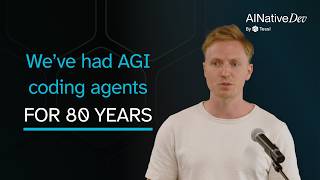
Tessl 產品與 AI 研究主管 Dru Knox 解析「韌帶工程」,即透過檢查、審查與維護迴路來管理 AI 程式碼代理。他說明如何從內迴路(單元測試)到外迴路(代理審查)再到元迴路(自動化維護),逐步將團隊轉化為軟體工廠。內容涵蓋衡量自主性與自動化的指標,以及如何在組織層面解決文化與流程挑戰,以確保在大幅提升產出的同時不犧牲程式碼品質。
Dru Knox explains harness engineering, a discipline of building loops of checks and maintenance agents to delegate more codebase work to AI. He details the transition from inner to meta loops, key metrics for tracking autonomy and quality, and the organizational shifts required to build a software.
摘要、重點與章節標題由語言模型整理,細節(誰說的、數字、先後)可能有誤;要引用請以原始內容為準。
重點
- 定義軟體工廠與韌帶工程的三個核心迴路:內、外、元迴路。
- 追蹤自主性、自動化與品質三大指標以平衡產出與穩定性。
- 透過維護代理與技能登錄檔,將組織轉型為高效能的軟體工廠。
章節
依話題轉折切分,標題由 AI 產生
- 00:00Introduction
- 00:29Meet Dru Knox: Tessl's head of product and AI research
- 03:54What is a software factory?
- 04:50The three dimensions: autonomy, automation, quality
- 06:39Why delegate more work to agents
- 11:44Harness engineering: inner loop, outer loop, meta loop
- 17:00Why harness engineering is hard
- 19:19Building the components: tickets, PRs, and skills registries
- 29:10How Tessl helps you build a software factory
- 33:20Audience Q&A
提到的工具與公司
- Tessl
- Claude Code
- Cursor
- Linear
- Playwright
- Granola
- CodeRabbit
適合誰看
希望提升團隊 AI 開發效率、建立自動化流程或轉型為軟體工廠的工程主管與技術負責人。
摘要依據
- 依據
- 人工字幕
為什麼排在這裡
- 人氣
- 0.20
- 新鮮
- 0.62
在主題頁與搜尋結果裡,名次由相關、人氣、新鮮三個分數決定;這一頁沒有搜尋的關鍵字,所以沒有相關分數。排序怎麼算
相關內容
- Harness Engineering: How to Build a Software Factory — Dru Knox, Tessl影片 ・ AI Engineer ・ 21 分鐘 ・
- Harness Engineering: What Separates Top Agentic Engineers Right Now影片 ・ Cole Medin ・ 17 分鐘 ・
- Maria Gorinova: Feedback Loops That Fix Your Codebase影片 ・ AI Native Dev ・ 38 分鐘 ・
- The Tessl Agent: Build Your Software Factory on AutopilotPodcast ・ The AI Native Dev ・ 53 分鐘 ・
- What is harness engineering?Podcast ・ Thoughtworks Technology Podcast ・ 41 分鐘 ・
- Reading Group July 2026 - Loop Engineering影片 ・ AAIF Live ・ 56 分鐘 ・
這個來源最近的內容
摘要由 AI 根據原文產生,可能有誤;完整內容請看原站。看影片(在新分頁開啟原站)